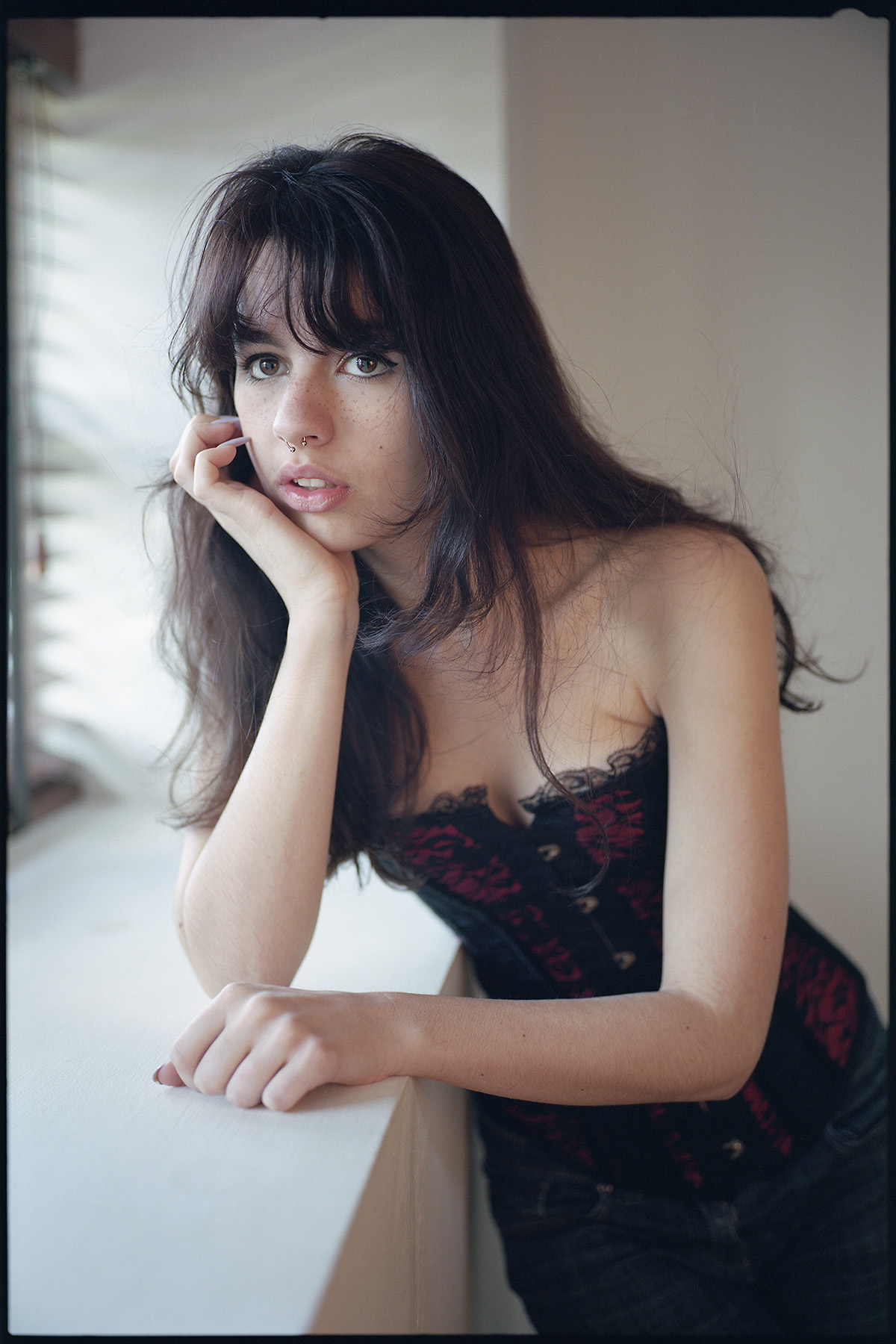
Most everyday photographs are made with whatever light is already there. The techniques below need no extra equipment. They are small habits that combine the framing and light ideas from the other two articles into something you can use indoors and out.
Window light indoors
A single window is a soft, directional light source. Place a subject beside it, facing the glass, and the light wraps gently across the face. Turn the subject away from the window and one side falls into shadow, giving a more dramatic look.
- Move closer to the window for softer light; step back for harder light.
- A pale wall opposite the window acts as a natural reflector and fills shadows.
- Turn off overhead bulbs so their colour does not clash with daylight.
Working with overcast skies
Cloud cover, frequent through long stretches of the Canadian year, spreads light evenly. Shadows are soft and detail holds across the frame. It suits portraits, market stalls, and close-ups of plants or food. The main risk is a dull, bright sky, so frame to keep it small or leave it out.
On a flat grey day, look for colour and texture instead of contrast. A red door, wet pavement, or autumn leaves carry an image that direct sun is not there to help.
Using shade on bright days
When midday sun is harsh, open shade is a reliable answer. The edge of a building or a tree canopy gives soft, even light without squinting subjects. Keep the subject near the edge of the shade so the light still has a slight direction rather than being completely flat.
Holding the camera steady
In low light, blur from camera shake spoils more frames than any other fault. Brace your elbows against your body, breathe out as you press the shutter, and rest the camera on a wall or railing when you can. A steady frame at the available light usually beats a noisy one pushed too far.
A simple routine
- Find the light first, then decide where to stand.
- Choose the subject's place in the frame using the thirds grid.
- Check the edges for distractions before you shoot.
- Take one frame, look, and adjust rather than firing many.
For more on the underlying idea of photographing with whatever light is present, see the Wikipedia entry on available light.